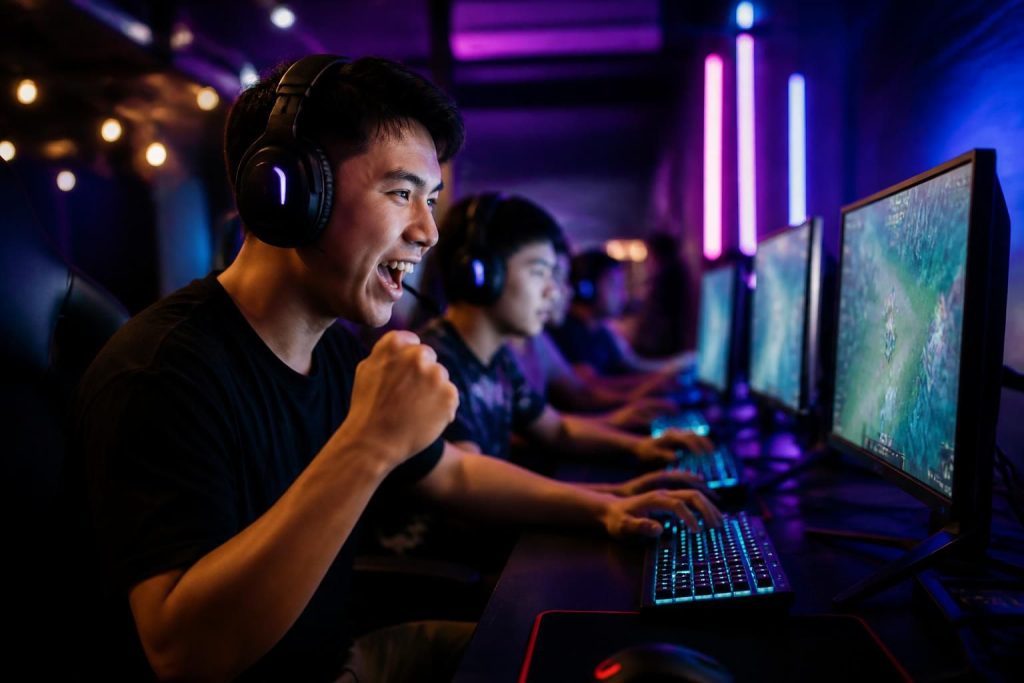
Gaming in Southeast Asia has witnessed a staggering 50% rise in player engagement over recent years, marking a significant shift in the regional digital landscape. With the proliferation of smartphones, increased internet accessibility, and a burgeoning esports scene, this interactive entertainment sector is rapidly evolving. As a result, Southeast Asia’s gaming community is not only expanding in numbers but also diversifying in preferences and platforms, transforming the way people engage with interactive entertainment.
Mobile Gaming Dominance in the Region
One of the key drivers of the surge in gaming in Southeast Asia is the dominance of mobile gaming. As smartphones have become more affordable, a growing number of individuals are accessing games through handheld devices. Reports indicate that mobile gaming accounts for a significant portion of the gaming market, with popular titles such as Mobile Legends: Bang Bang and PUBG Mobile attracting millions of players. This accessibility has allowed both casual and competitive gaming to flourish, fostering a vibrant community of players.
Moreover, the increasing availability of mobile data has made it possible for players to engage in online gaming anytime, anywhere. This shift toward mobile platforms is reshaping gaming culture in the region, creating opportunities for developers and publishers to tailor their offerings to local preferences. As engagement rates continue to climb, so too does the potential for local game development, which can bring unique narratives and gameplay styles that resonate with Southeast Asian players.
The Rise of Esports and Competitive Gaming
Esports has become a significant aspect of gaming in Southeast Asia, with countries like Indonesia, Malaysia, and the Philippines leading the charge. Major tournaments attract large audiences both online and in-person, exemplifying the growing popularity of competitive gaming. The presence of professional teams and gaming organizations has further legitimized esports as a viable career path for young gamers in the region.
Additionally, grassroots movements and local tournaments have sprouted, encouraging participation at all levels. This ecosystem not only promotes local talent but also fosters community engagement and social interaction among players. Brands and sponsors are increasingly recognizing the potential in this space, offering partnerships and supporting events, which amplifies the visibility and reach of esports in Southeast Asia. For more on this topic, see bitcoin sports betting sites.
Impact of Streaming and Content Creation
The rise of streaming platforms has profoundly influenced gaming in Southeast Asia. Services like Twitch and YouTube Gaming provide players with avenues to share their gameplay experiences, connecting with audiences far beyond their immediate circles. This trend has given rise to a new generation of content creators who are attracting substantial followings, thereby transforming gaming into a prominent social activity.
Content creation not only serves as an entertainment source but also as a means of income for many streamers and gamers. As players build their brands online, they have the potential to monetize their content through sponsorships, ad revenues, and viewer donations. The symbiotic relationship between gaming, streaming, and fan engagement continues to heat up, indicating a bright future for digital content in the region.
Innovations in Game Development and Technology
The gaming industry in Southeast Asia is increasingly becoming a powerhouse of innovation, with a growing number of local studios producing high-quality games. This shift is driven by talented developers who are eager to tell stories that resonate with their culture and experiences. Titles such as Genshin Impact, which showcases a blend of diverse influences, have gained significant traction, emphasizing the global nature of the gaming market.
Moreover, the integration of advanced technologies like augmented reality (AR) and virtual reality (VR) is starting to take root, further enhancing player engagement. The immersive experiences offered by these technologies have the potential to redefine gameplay and storytelling in games. As local developers embrace these innovations, they contribute to a uniquely Southeast Asian gaming narrative that is both contemporary and culturally relevant. Readers can explore https://stakeobet.com/.
Challenges Ahead for the Gaming Community
Despite the impressive growth, gaming in Southeast Asia is not without its challenges. Issues such as regulatory hurdles, internet connectivity disparities, and the need for more diverse representation in games remain pressing concerns. Many countries in the region face restrictions on online content, making it essential for developers to navigate these legal landscapes carefully.
Additionally, while the surge in engagement is promising, it also raises questions about the sustainability of this growth. Ensuring that new players have positive experiences and access to adequate support systems is crucial for the long-term health of the gaming ecosystem. The responsibility lies with developers, community leaders, and stakeholders to foster a welcoming environment that prioritizes inclusivity and innovation.
In conclusion, the recent 50% rise in player engagement in gaming in Southeast Asia marks a transformative period for the region’s digital entertainment landscape. The combination of mobile gaming, esports, streaming, and innovative development paints a vibrant picture of a growing industry. However, as the community evolves, addressing challenges and fostering inclusivity will be essential to ensure this upward trajectory continues. As Southeast Asia continues to make its mark on the global gaming stage, the future looks promising for players and developers alike.